3 Great Books on Growing at home
Have you ever considered the benefits of growing your own cannabis? As any winemaker, home-brewer, or backyard gardener can tell you, there’s a particular joy in doing it yourself. Saving money is also a big motivator. If you’ve never grown your own, it’s not as simple as sprinkling seeds and watering every few days. Cannabis is a fascinating plant that can require finicky soil profiles and specific light cycles in order to flower perfect buds. With more and more symptomologie subscribers inquiring about “how to,” we decided to roundup the best guides for growing your own that can provide trusted and reliable advice while learning about some of the nuances of the plant.
Grow Your Own Understanding, Cultivating, and Enjoying Cannabis
By Nichole Graf, Micah Sherman, David Stein, Liz Crain
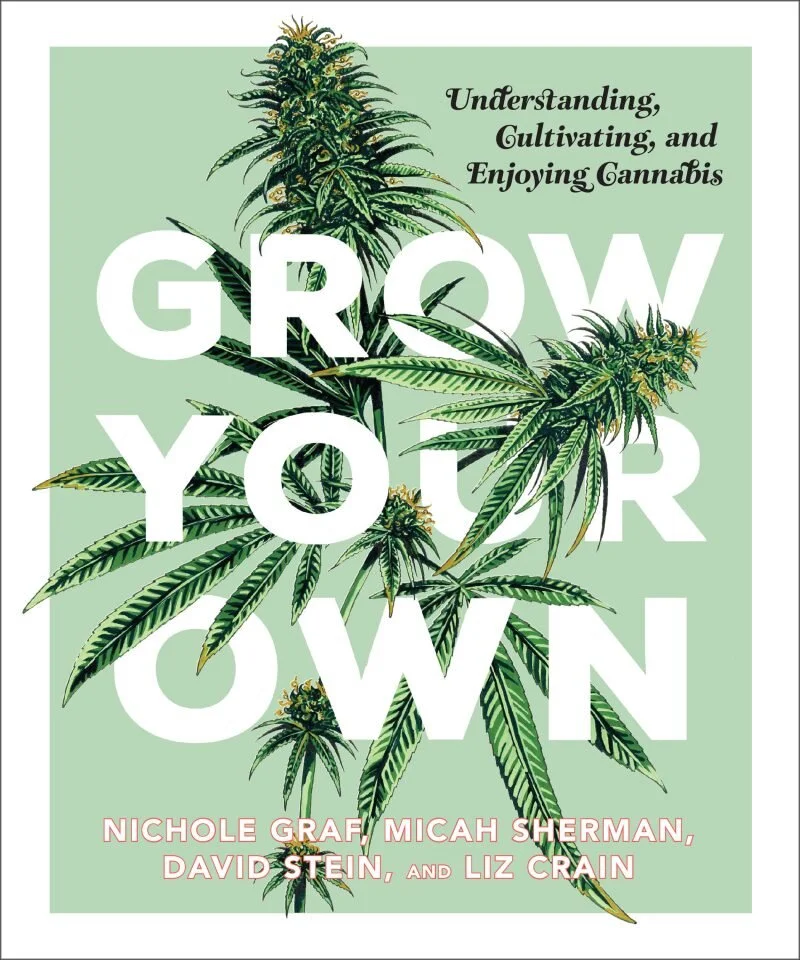
If you are looking for a book that really breaks down all the basics of growing cannabis, this is it. Beautifully designed pages make for a cool coffee table book to leaf through, or to be referenced as an important resource when growing your own plants. The book provides all the background and instruction you need to set up a grow space, raise your plants, and harvest your buds. It will teach you how to choose a strain based on its profile and effects, how to manage insects and molds without the use of pesticides, and how to mix just the right soil.
More than just a growing guide, Grow Your Own is a sort of appreciation guide. The book brings to the foreground the many ways to enjoy cannabis, rich with icons, posh photography and diagrams (like how to carve an apple pipe) that can be appreciated by someone at any level of familiarity; from canna-curious to connoisseur.
By David Deardorff and Katherine Wadsworth
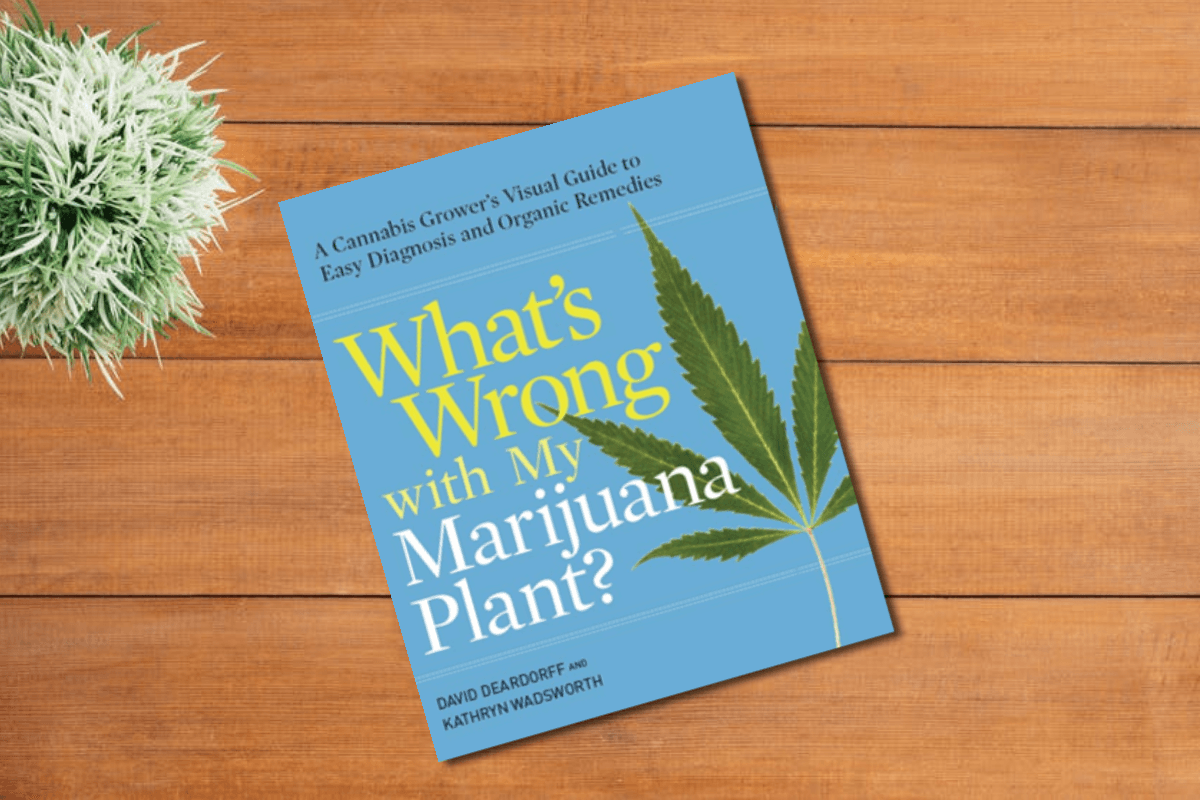
So you’ve ventured out and have begun growing your own cannabis. What if you get beginners paranoia and start to imagine issues with your lady friend? Or worse, what if you actually run into powdery mildew or other common issues associated with cannabis plants that you can’t even begin to identify on your own.
This book offers up a visual diagnostic system by authors Deardorff and Wadsworth for identifying pest, disease, and environmental problems by symptom: What are those rusty spots on your leaves? What bug is eating your buds? Why are your sativa sprouts covered in fuzz?
This book helps you troubleshoot but can be used as a complete guide as it offers up a thorough overview of best growing practices to avoid issues at the onset. Photography and illustration helps act as a visual reference to decode any strange things on your plant that you may not recognize or understand.
Craft Weed: Family Farming and the Future of the Marijuana Industry
By Ryan Stoa
In this socio-political look at the history and current conditions of the craft weed industry, author Ryan Stoa argues that the future of the cannabis industry should be powered by small farms. To make his case for craft cannabis, Stoa “interviews veteran and novice marijuana growers, politicians, activists, and cannabis investors. He provides a history of cannabis farming and its post-hippie resurgence in the United States. He reports on the amazing adaptability of the cannabis plant and its genetic gifts, the legalization movement, regulatory efforts, the tradeoffs of indoor versus outdoor farms, and the environmental impacts of marijuana agriculture.”
Stoa organizes his work in such a way that all roads lead back to craft cannabis, creating a compelling argument for his belief that the industry’s model should be more craft beer than Anheuser-Busch. To protect and promote small farmers and their communities, he proposes a “Marijuana Appellation system,” which is modelled after the wine industry. This system Stoa invents would provide a certified designation of origin to local crops, promoting a sustainable, local, and artisanal farming model.
The potential of small craft farmers frames a utopian ideal of using legalization as a way to revitalize rural communities and the American family farm. The author asks us to consider the kind of agriculture we want as prohibition comes to an end and we “plan for a future that is almost here.” An important book for any grower starting to consider the larger socio-political concerns involved with small-scale growing.